



PDE10
PDE10A (phosphodiesterase 10A) is a dual-substrate phosphodiesterase that hydrolyzes both cyclic adenosine monophosphate (cAMP) and cyclic guanosine monophosphate (cGMP), thereby regulating intracellular cyclic nucleotide signaling in neurons[1][2]. The enzyme is highly enriched in striatal medium spiny neurons and functions as a key regulator of signal integration downstream of dopaminergic and glutamatergic neurotransmission within basal ganglia circuits[2][3]. Mechanistically, PDE10A controls cAMP/PKA-dependent signaling and modulates phosphorylation events associated with neuronal responsiveness, corticostriatal transmission, and striatal output pathways[3]. In experimental systems, inhibition of PDE10A elevates cyclic nucleotide signaling in both striatonigral and striatopallidal neurons, influencing dopamine D1- and D2-receptor-associated signaling networks[3]. Disease relevance has been established primarily in neuropsychiatric and neurodegenerative disorders involving striatal dysfunction, including schizophrenia and Huntington’s disease, where altered PDE10A signaling has been linked to abnormalities in corticostriatal function and neuronal activity[4][5]. Compared with other phosphodiesterase isoforms such as PDE4, PDE10A exhibits a distinctive expression pattern concentrated in medium spiny neurons and predominantly regulates cyclic nucleotide signaling within these cells rather than at dopaminergic terminals[3]. For experimental applications, selective PDE10A inhibitors have been widely used to investigate striatal signaling, basal ganglia circuitry, and cyclic nucleotide-dependent mechanisms, making PDE10A a valuable molecular target for mechanistic neuroscience research[3][4].
References:
- [1]. Sciencedirect.topics.
- [2]. Russwurm C, et al. Phosphodiesterase 10A Is Tethered to a Synaptic Signaling Complex in Striatum. J Biol Chem. 2015 May 8;290(19):11936-47. [Content Brief]
- [3]. Nishi A, et al. Distinct roles of PDE4 and PDE10A in the regulation of cAMP/PKA signaling in the striatum. J Neurosci. 2008 Oct 15;28(42):10460-71. [Content Brief]
- [4]. Beaumont V, et al. Phosphodiesterase 10A Inhibition Improves Cortico-Basal Ganglia Function in Huntington's Disease Models. Neuron. 2016 Dec 21;92(6):1220-1237. [Content Brief]
- [5]. Menniti FS, et al. PDE10A Inhibitors-Clinical Failure or Window Into Antipsychotic Drug Action? Front Neurosci. 2021 Jan 20;14:600178. [Content Brief]
All Product Categories
-
PDE10 Related Products (53)
Related Products (53)

-
Avanafil
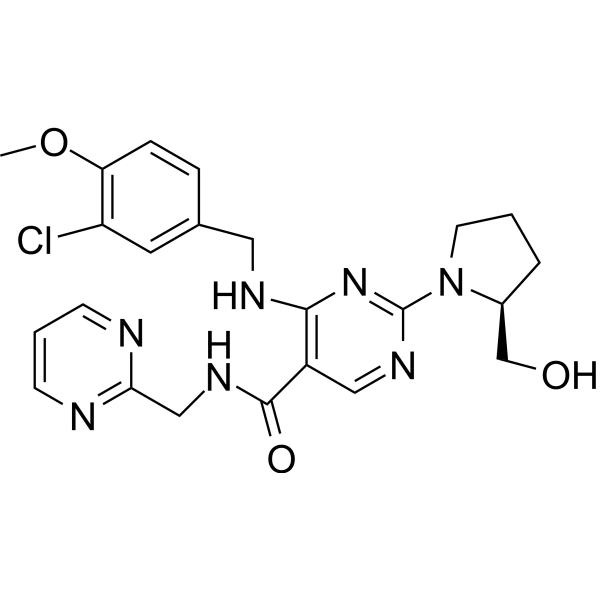 0 ImagesSynonyms: TA1790Avanafil (TA-1790) is a potent and selective phosphodiesterase-5 (PDE-5) inhibitor with IC50 values of 5.2 nM, 630 nM, 5700 nM, 6200 nM, 12000 nM, 27000 nM, 51000 nM and 53000 nM for PDE-5, PDE-6, PDE-4, PDE-10, PDE-8, PDE-7, PDE-2 and PDE-1, respectively. Avanafil activates NO/cGMP/PKG signaling-pathway to decrease loss in BMD, bone atrophy, and oxidative stress. Avanafil inhibits cyclic guanosine monophosphate (cGMP) hydrolysis and thus increases cGMP levels. Avanafil can be used for the research of erectile dysfunction and osteoporosis.
-
Mardepodect
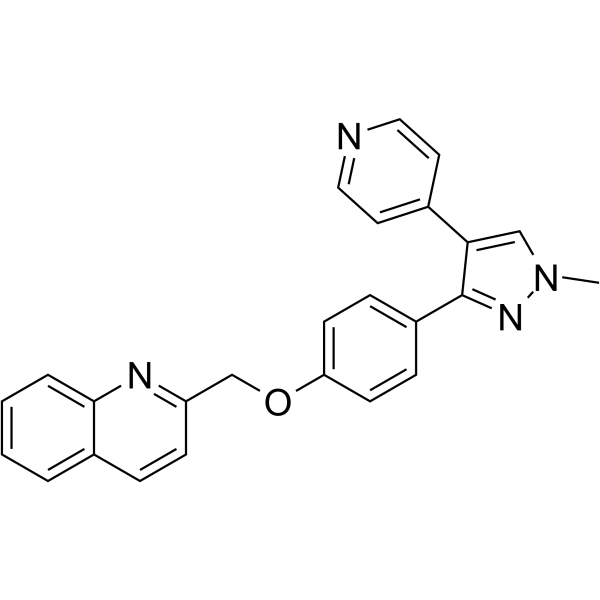 0 ImagesSynonyms: PF-2545920Mardepodect is a potent, selective orally active, and brain-penetrant PDE10A inhibitor with an IC50 of 0.37 nM, with >1000-fold selectivity over other PDEs.
-
PF-05180999
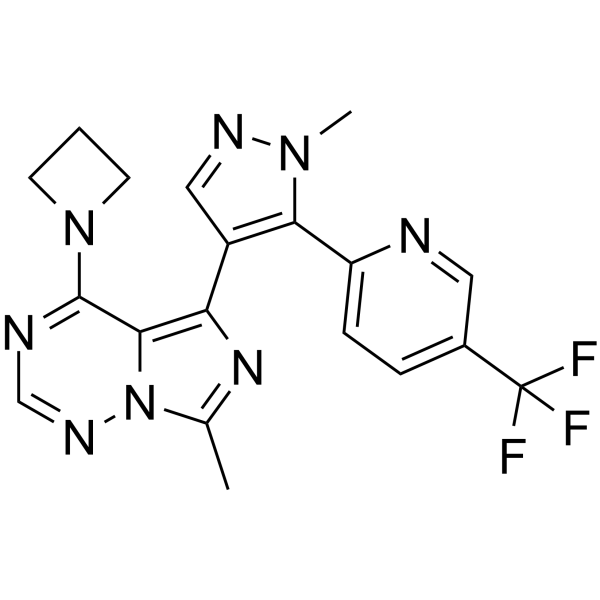 0 ImagesSynonyms: PF-999PF-05180999 (PF-999) is a phosphodiesterase 2A (PDE2A) inhibitor, with an IC50 of 1.6 nM.
-
Balipodect
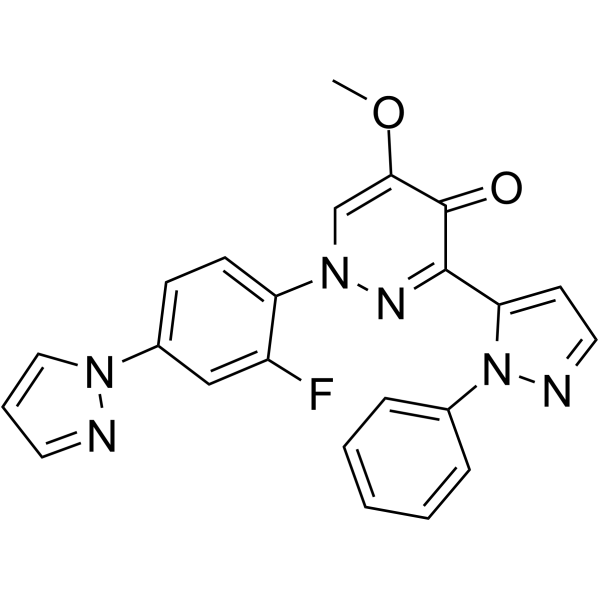 0 ImagesSynonyms: TAK-063Balipodect (TAK-063) is a selective, brain-penetrant and orally active PDE10A inhibitor with an IC50 of 0.30 nM. Balipodect shows >15000-fold selectivity over other PDEs. Balipodect elevates striatal cAMP and cGMP levels in mice. Balipodect can be used for the study of schizophrenia[1].
-
TP-10
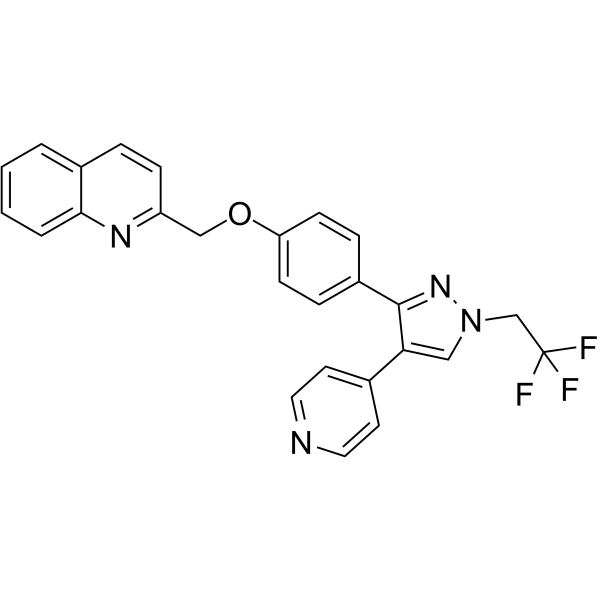 0 ImagesTP-10 is a selective PDE10A inhibitor with an IC50 value of 0.8 nM. TP-10 shows an antioxidant activity with IC50s of 31.72 and 16.04 μg/ml for DPPH and CUPRAC, respectively. TP-10 can be used for the research of neuropathy.
-
Morcamilast
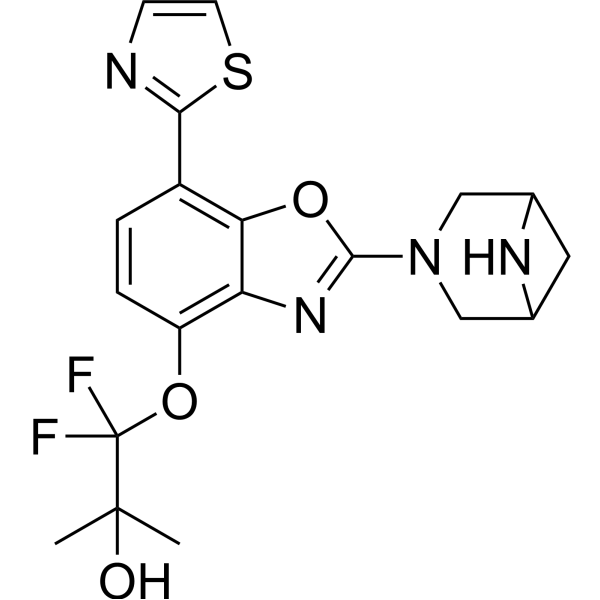 0 ImagesSynonyms: ME3183; PDE4-IN-14Morcamilast (ME3183) is a potent, orally active, selective phosphodiesterase 4 (PDE4) inhibitor, with IC50 values of 1.28 nM, 2.33 nM and 1.63 nM against human PDE4A1A, PDE4B1 and PDE4D2, respectively. Morcamilast inhibits the production of TNF-α, IL-12/23p40, IL-23, IL-17A, IL-4, IL-5 and IL-13 in human PBMCs and T cells, and alleviates chronic Oxazolone (HY-126360)-induced dermatitis, Substance P (HY-P0201)-induced pruritus, Imiquimod (HY-B0180)-induced psoriasis-like dermatitis and LPS (HY-D1056)-induced arthritis. Morcamilast is used for the research of psoriasis, atopic dermatitis, psoriatic arthritis and other inflammatory and immune-related diseases.
-
Alofropodect
 0 ImagesSynonyms: CPL500036Alofropodect is an orally active, blood-brain barrier permeable phosphodiesterase 10A (PDE10A) inhibitor with IC50 values of 1 nM (Reference 1) and 35 nM (Reference 2). Alofropodect acts as a negative allosteric modulator of the M2 muscarinic receptor with an IC50 of 9.2 μM. Alofropodect alters cyclic nucleotide levels in basal ganglia circuits, inhibits the hydrolysis of cAMP and cGMP, and suppresses hERG potassium channel tail currents. Alofropodect induces catalepsy in rats and reverses injury-induced contralateral forelimb use impairment. Alofropodect can be used in research related to schizophrenia, Parkinson's disease, and levodopa-induced dyskinesia.
-
Elpipodect
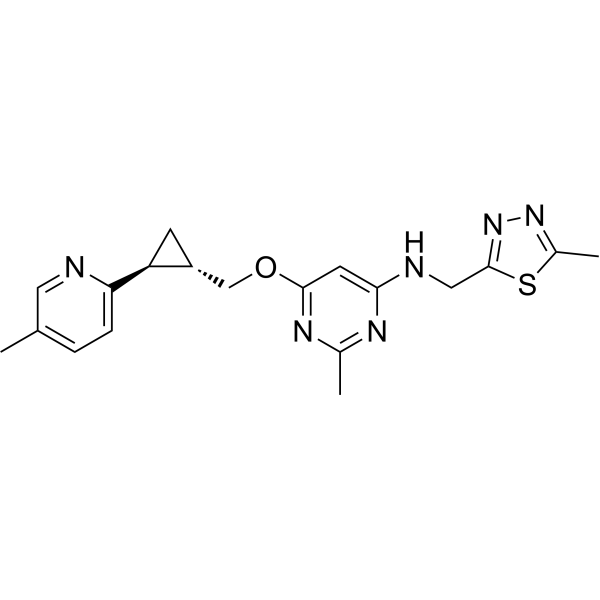 0 ImagesSynonyms: MK-8189Elpipodect (MK-8189) is an orally active and selective PDE10A inhibitor with a Ki value of 29 pM. Elpipodect can be used in research of schizophrenia.
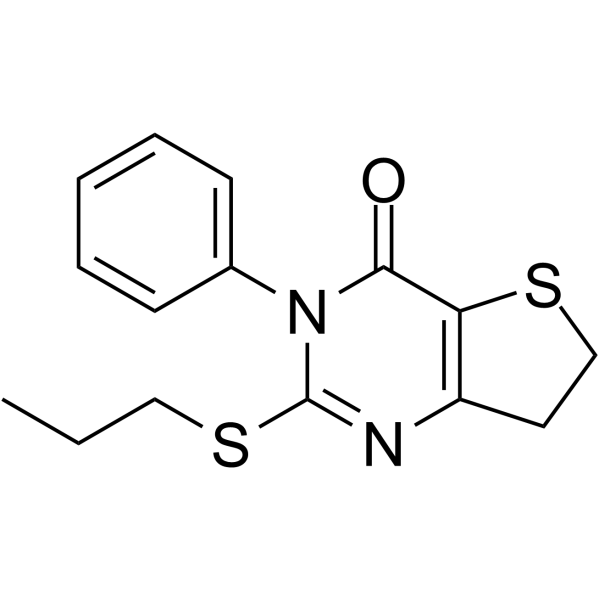
-
Naperiglipron
 0 ImagesSynonyms: LY3549492Naperiglipron (LY3549492) is an orally active Glucagon-like peptide 1 receptor (GLP-1R) agonist with an EC50 of 1.14 nM for hGLP-1R. Naperiglipron significantly decreases the level of blood glucose in GLP-1R knock-in mouse models. Naperiglipron inhibits PDE10A1 enzyme activity (IC50: 7.43 μM) with a weak hERG inhibitory activity. Naperiglipron can be used for type II diabetes mellitus (T2DM) and obesity research.
-
Sp-cAMPS sodium salt
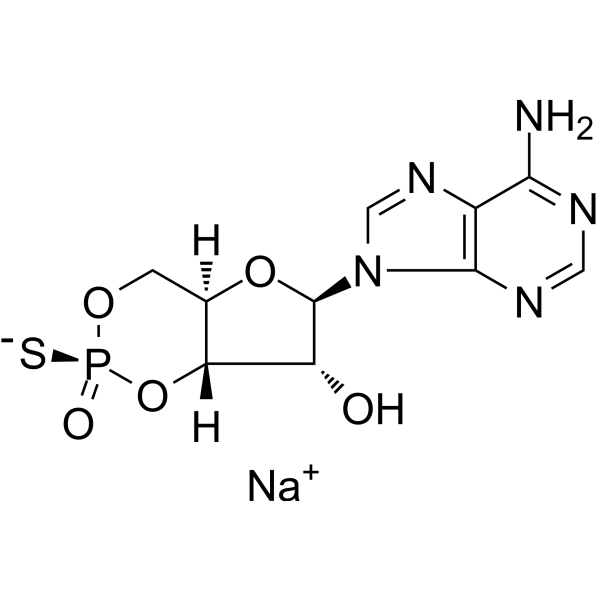 0 ImagesSp-cAMPS sodium salt, a cAMP analog, is potent activator of cAMP-dependent PKA I and PKA II. Sp-cAMPS sodium salt is also a potent, competitive phosphodiesterase (PDE3A) inhibitor with a Ki of 47.6 µM. Sp-cAMPS sodium salt binds the PDE10 GAF domain with an EC50 of 40 μM.
-
5,7-Dichloropyrazolo[1,5-a]pyrimidine
![5,7-Dichloropyrazolo[1,5-a]pyrimidine](https://file.medchemexpress.com/product_pic/hy-w003486.gif "Click to View 5,7-Dichloropyrazolo[1,5-a]pyrimidine Product Detail") 0 Images5,7-Dichloropyrazolo[1,5-a]pyrimidine is a PDE10A inhibitor with a Ki of 24 μM. 5,7-Dichloropyrazolo[1,5-a]pyrimidine serves as a key intermediate in the synthesis of 5,7-disubstituted pyrazolo[1,5-a]pyrimidine derivatives (HIV-1 non-nucleoside reverse transcriptase inhibitors). 5,7-Dichloropyrazolo[1,5-a]pyrimidine can be used for the research of schizophrenia.
0 Images5,7-Dichloropyrazolo[1,5-a]pyrimidine is a PDE10A inhibitor with a Ki of 24 μM. 5,7-Dichloropyrazolo[1,5-a]pyrimidine serves as a key intermediate in the synthesis of 5,7-disubstituted pyrazolo[1,5-a]pyrimidine derivatives (HIV-1 non-nucleoside reverse transcriptase inhibitors). 5,7-Dichloropyrazolo[1,5-a]pyrimidine can be used for the research of schizophrenia.
-
Mardepodect hydrochloride
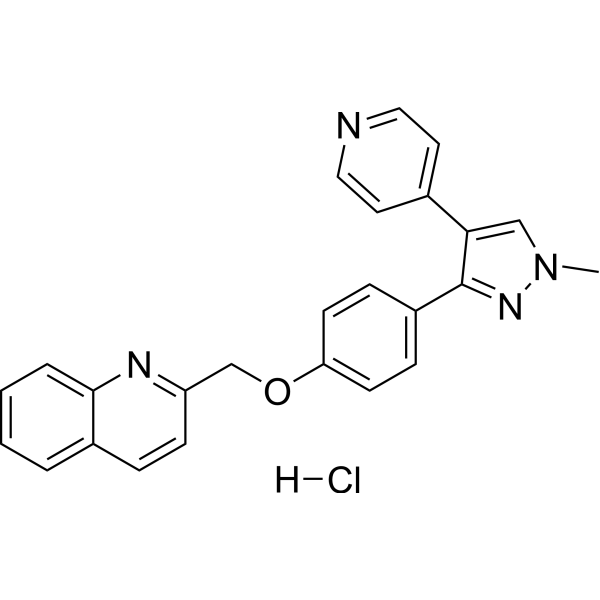 0 ImagesSynonyms: PF-2545920 hydrochlorideMardepodect hydrochloride (PF-2545920 hydrochloride) is a potent, orally active and selective PDE10A inhibitor with an IC50 of 0.37 nM, with >1000-fold selectivity over other PDEs. Mardepodect hydrochloride can cross the blood-brain barrier.
-
N-Methylbenzamide
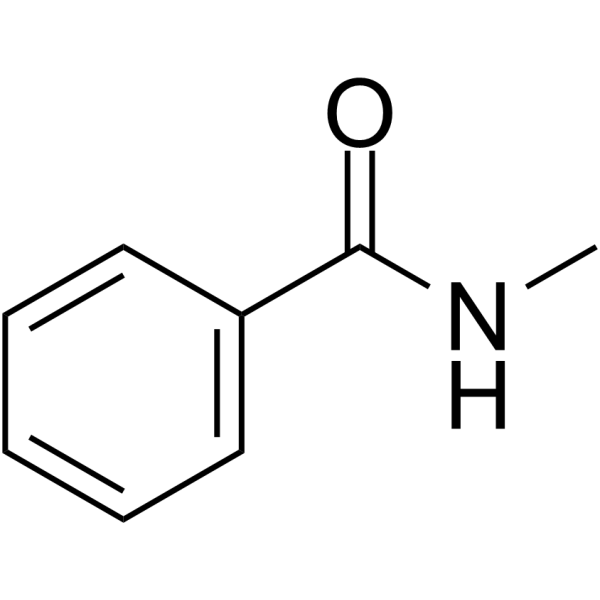 0 ImagesN-Methylbenzamide is a potent phosphodiesterase 10A (PDE10A) inhibitor. N-Methylbenzamide has anti-cancer activity.
-
Tofisopam
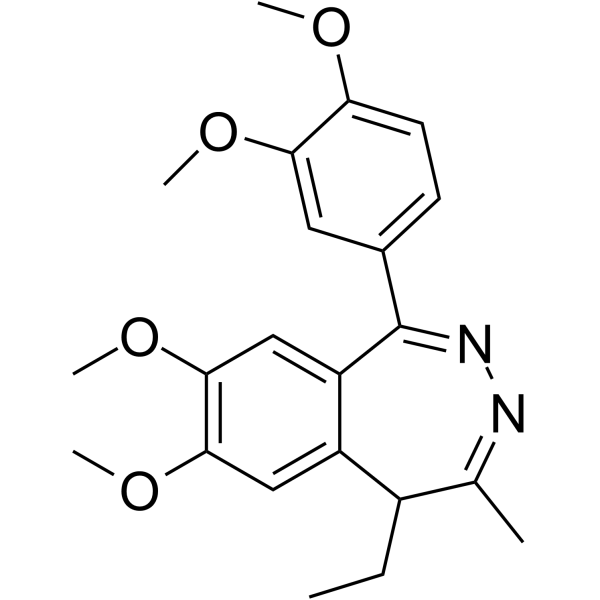 0 ImagesTofisopam, a 2,3-benzodiazepine compound, is an orally active anxiolytic agent. Tofisopam can inhibit phosphodiesterase PDE isoenzyme activity, withIC50 values of 2.11 μM, 1.98 μM, 0.42 μM, and 0.92 μM for PDE-2A3, PDE-3A, PDE-4A1, and PDE-10A1, respectively. Tofisopam can be used for the study of anxiety.
-
Sp-cAMPS
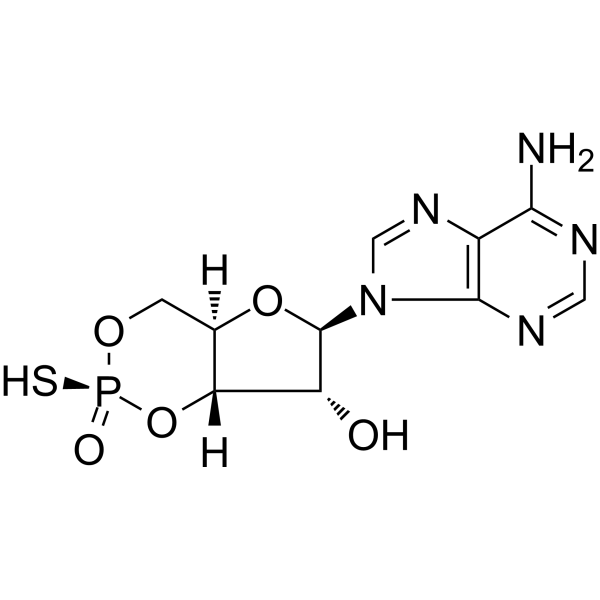 0 ImagesCat. No.: HY-100530BCAS No.: 71774-13-5Sp-cAMPS, a cAMP analog, is potent activator of cAMP-dependent PKA I and PKA II. Sp-cAMPS is also a potent, competitive phosphodiesterase (PDE3A) inhibitor with a Ki of 47.6 µM. Sp-cAMPS binds the PDE10 GAF domain with an EC50 of 40 μM.
-
PQ-10
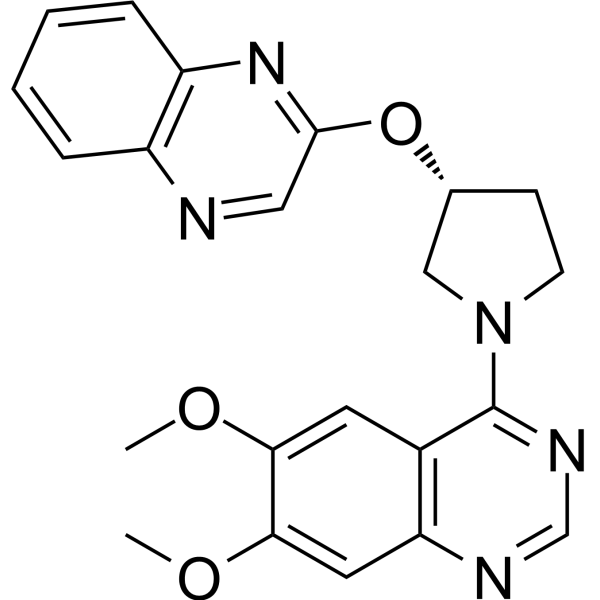 0 ImagesPQ-10 is a potent inhibitor of Phosphodiesterase 10A (PDE10A) with IC50 andED50 of 4.6 nM and 13 mg/kg, respectively. PQ-10 induces patterns of brain glucose metabolism which can be a potential translational biomarker. PQ-10 has the potential for researching psychiatric disorders like schizophrenia.

-
PDE10A-IN-2 hydrochloride
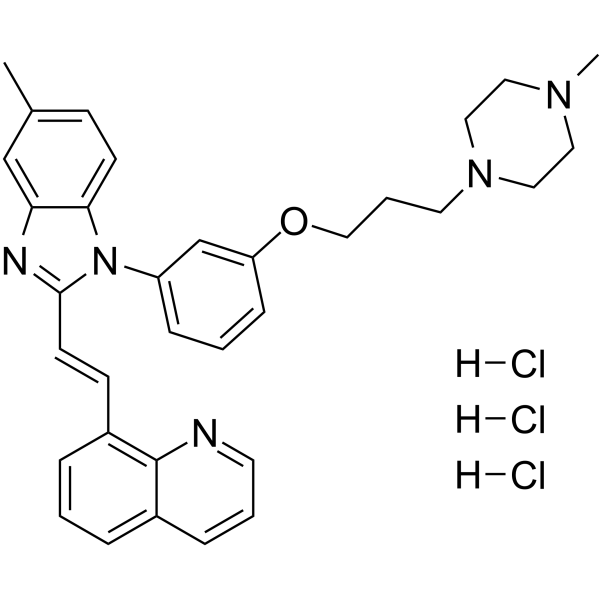 0 ImagesCat. No.: HY-131973Purity: 98.43%PDE10A-IN-2 hydrochloride is a potent, highly selective and orally active phosphodiesterase 10A (PDE10A) inhibitor with an IC50 of 2.8 nM. PDE10A-IN-2 hydrochloride shows selectivity of >3500-fold against other PDE subtypes. PDE10A-IN-2 hydrochloride can be used for pulmonary arterial hypertension (PAH) research.



